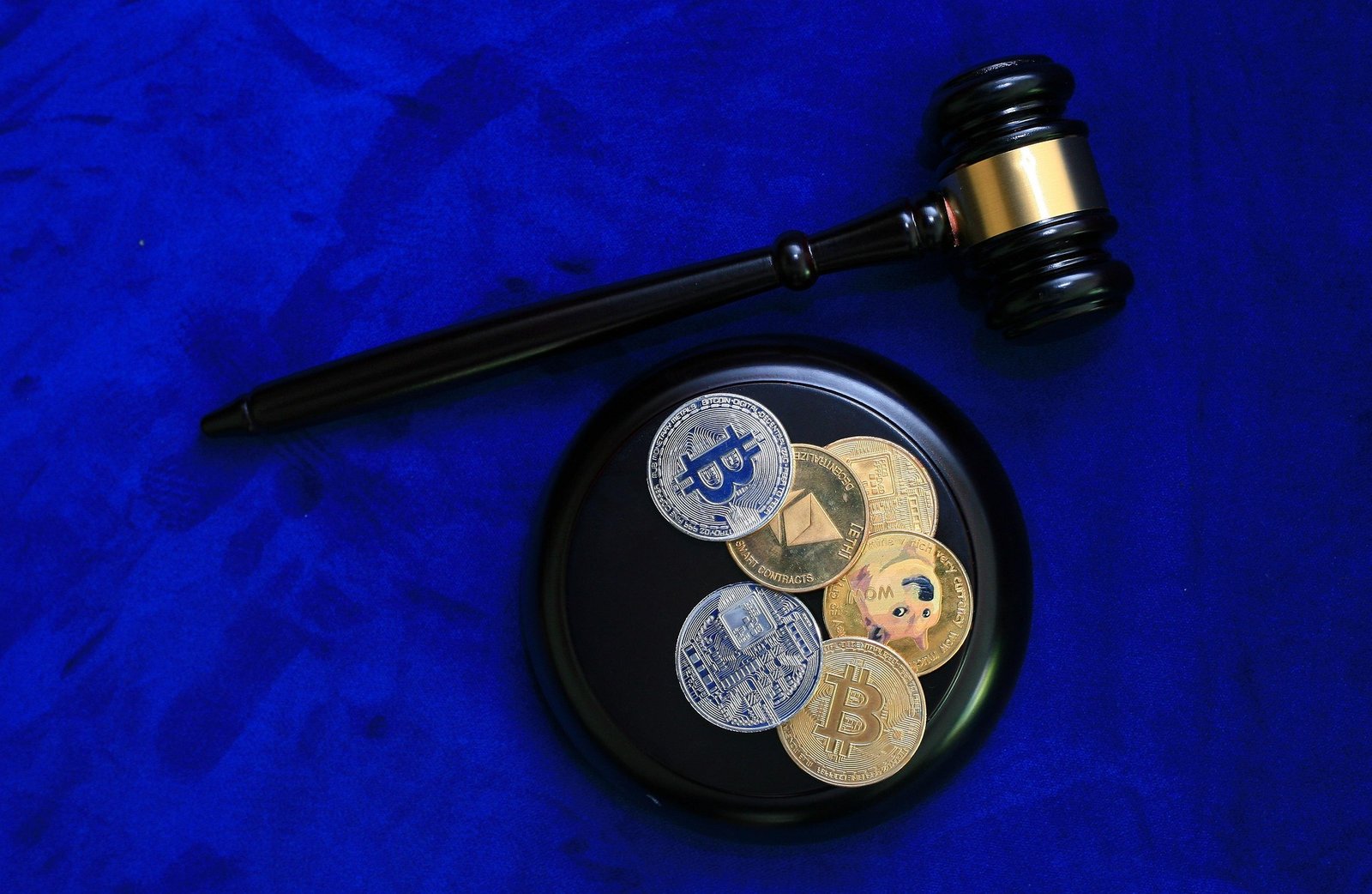
PVARA introduces supervised environment for tokenization, stablecoins, and remittance pilots as part of broader formalization effort.
Pakistan’s Virtual Assets Regulatory Authority (PVARA) has formally launched a crypto testing framework, establishing a regulatory sandbox that allows firms to trial digital asset products and services under official supervision. The February 20 announcement marks a concrete step toward bringing the country’s sizable crypto market—ranked third globally in retail activity—into a regulated structure .
According to PVARA’s official statement, the sandbox creates a controlled environment for testing real-world use cases including tokenization, stablecoins, remittances, and on- and off-ramp infrastructure that enables conversion between fiat currency and digital assets . The authority indicated that sandbox guidelines and the application process will be published on its website shortly .
The initiative follows Pakistan’s broader push to formalize its digital asset sector, which Chainalysis data shows ranked second in crypto adoption across the Asia-Pacific region in 2025, trailing only India. Globally, Pakistan placed third after India and the United States .
PVARA has already begun issuing No Objection Certificates (NOCs), which regulators describe as the first step toward full licensing. The sandbox framework is designed to evaluate compliance weaknesses and identify risks including anti-money laundering (AML) gaps, with findings expected to inform broader rulemaking before full-scale implementation .
The regulatory development builds on preparatory work throughout 2025, including the appointment of Binance founder Changpeng Zhao as strategic advisor to the Pakistan Crypto Council (PCC) and a January memorandum of understanding with World Liberty Financial, a crypto platform linked to the Trump family, to explore dollar-linked stablecoins for cross-border payments .
PVARA Chairman Bilal Bin Saqib outlined additional 2026 priorities at the Consensus 2026 conference, including implementing full licensing regimes for wallets and brokers, collaborating with the central bank on stablecoin development, and exploring sovereign bond tokenization through a memorandum with Binance .
Why this matters: The sandbox launch shifts Pakistan from informal crypto adoption to structured regulatory oversight, establishing a pathway for institutional participation in a market with approximately 40 million estimated users . From a market structure perspective, the framework creates compliance requirements for entities seeking to operate formally, potentially redirecting activity from unregulated channels into supervised venues while establishing testing mechanisms that will shape Pakistan’s permanent virtual asset regulations .
Source: Arab News